The human-environment interactions vary throughout the world. Humans occupy every landmass on this earth. We not only depend on the environments we inhabit but we also modify or adapt to those environments to suit our needs. Throughout this page we will look at the three aspects of human-environment interactions within Iran and Iraq.
Environment Dependency
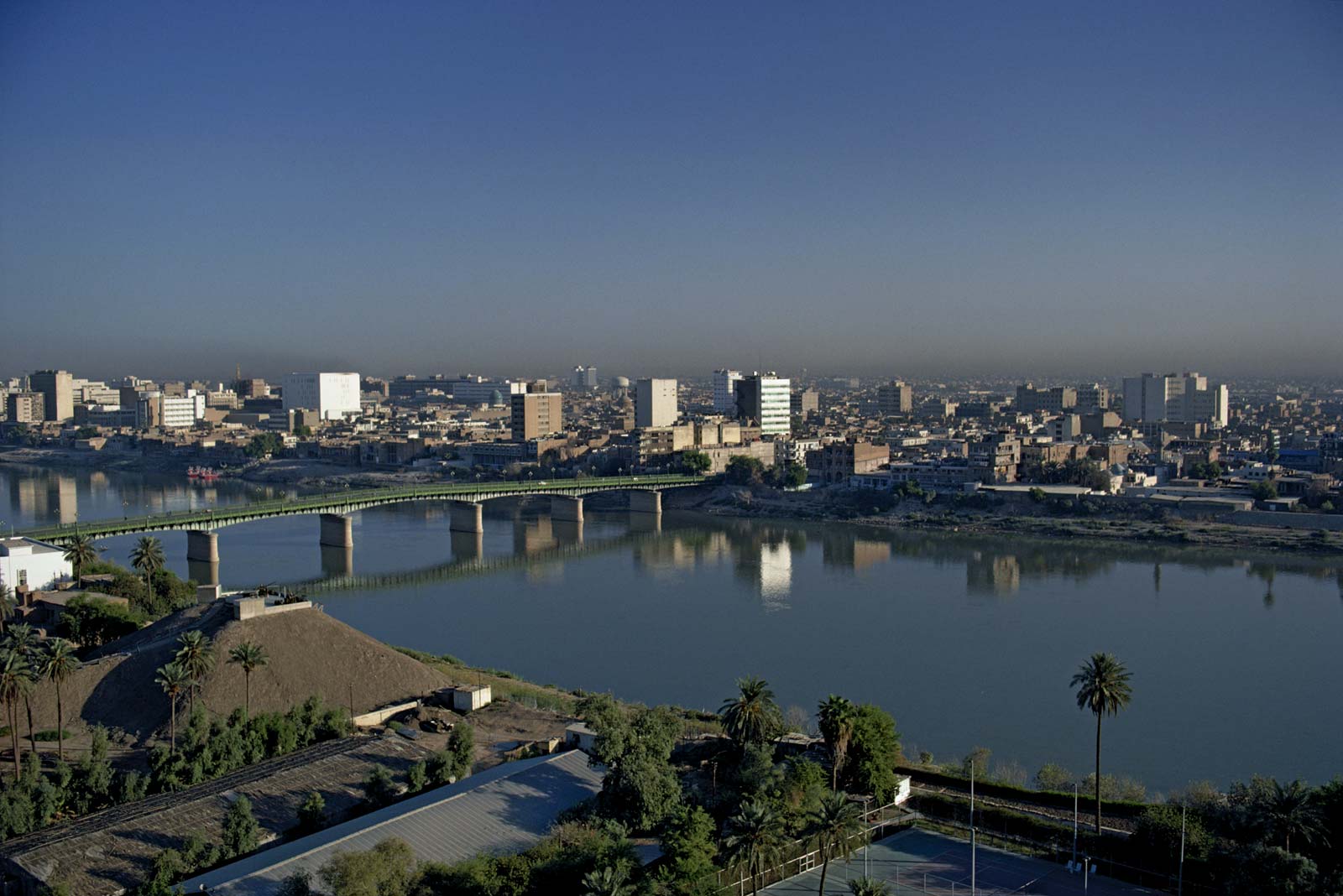
While all humans require water and food for survival, the environments they occupy provide these in different ways. We have established that the arid and semi arid climates within both Iran and Iraq receive relatively low rain fall each year. Without water to support it, food sources are also scarce. It is no surprise that without a steady source of food or water, many humans have chosen to settle closer to areas where water is in more of an abundance. The Tigris River system flowing through Iraq’s capital is one example. The river system provided a means for early humans to survive by providing both a water and food source in the form of aquatic life as well as the organisms drawn there for the same reasons humans were. The sourced of water, although different, provided the same means and attractions in Iran as they did in Iraq. Where the flat deserts offered little to no escape from the heat, the mountainous regions in Iran offer shade and foliage as well as shelter.
Environmental Adaptations
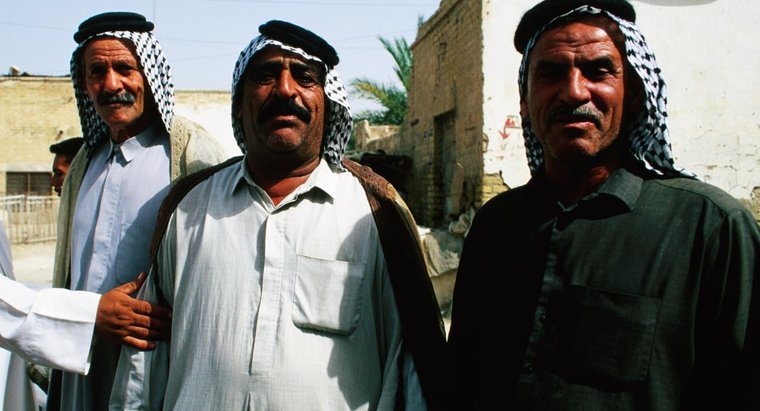
The cultural adaptations both Iranians and Iraqis have adopted to coincide with their environments are very similar. While the given notions of air conditioning and heaters are available for those who live in the urban cities for that may afford them, those that live in rural areas stick to traditional ways of overcoming the extreme temperatures they often face: clothes. I remember how confused I was a child watching Indiana Jones and seeing so everyone covered in clothes from head to toe while traversing a scorching desert. You want to wear less clothes when the temperatures are blazing outside, right? Wrong. Iraqis and Iranians both have worn loose and long clothing that leaves little skin in contact with direct sunlight. Doing so offers a few benefits: it protects them from harmful UV radiation by covering the majority of their skin and the loose fit allows for perspiration to evaporate to help better regulate their body temperatures.
Environmental Modification
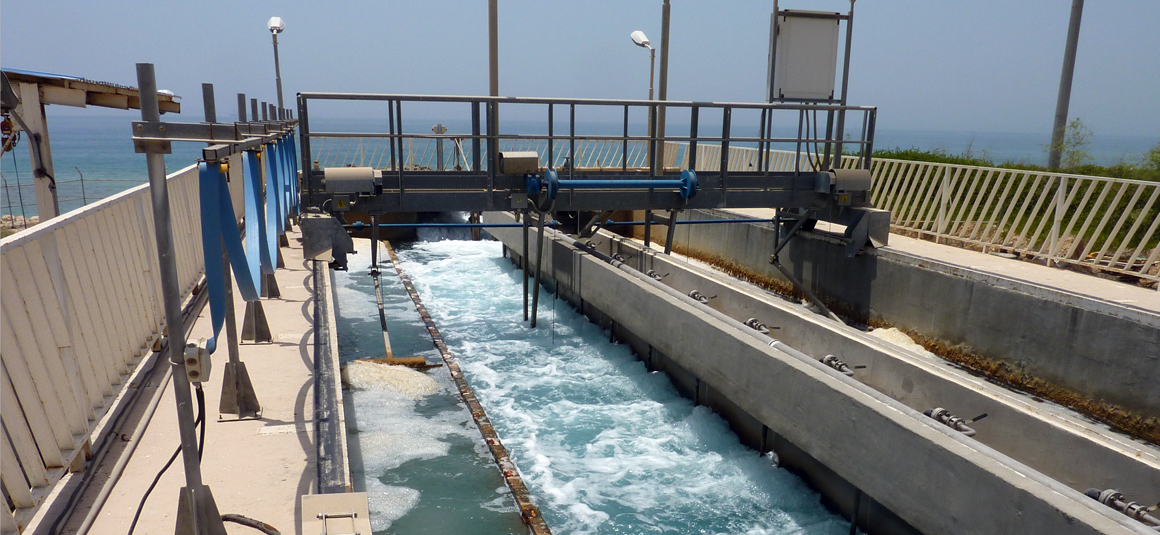
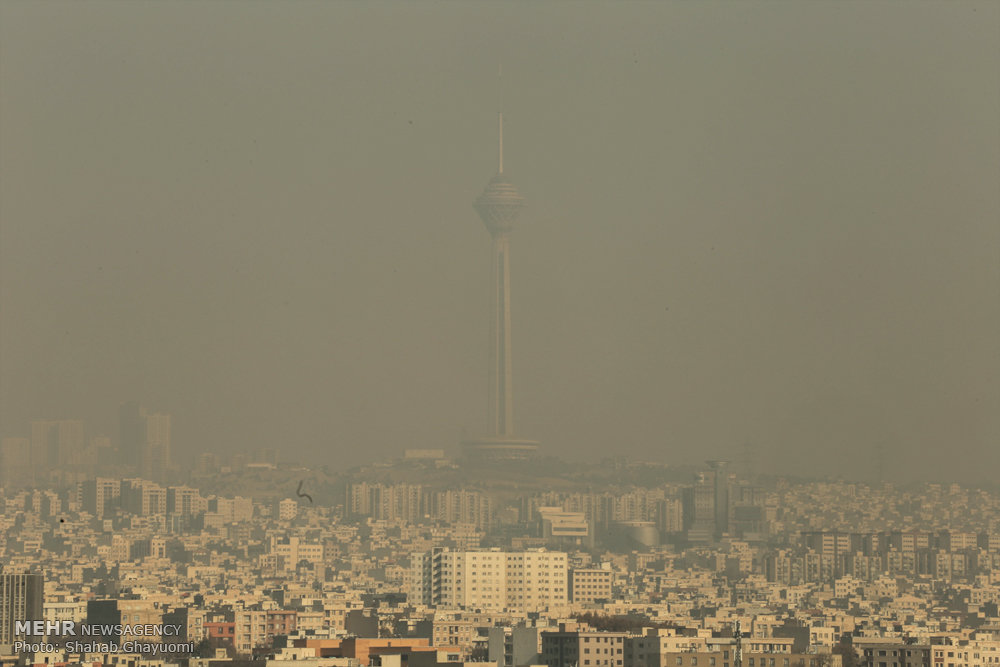
To overcome the limitations of the environments within Iran and Iraq, the humans living there have modified the environments in drastic ways. Iran, for instance, utilizes 86 different desalination plants to provide around 400,000 cubic meters of water per day in an attempt to compensate for the countries relatively low average rainfall (Iran to Open). Iraq is still recovering from decades of war, wherein the focus is currently on rebuilding infrastructure and within the country and war ravaged cities. With that being said, both Iran and Iraq have metropolitan cities for which they have built to accommodate larger populations than the land’s carry capacity would naturally be able to support. The capital cities of Tehran and Baghdad are two such cities. The concentration of so many people condensed into a smaller area has created a heavy strain on the environment. Take look at the following picture of Tehran covered in smog.
Works Cited
“Iran to Open Largest Desalination Plant.” Iran to Open Largest Desalination Plant, http://www.msn.com/en-xl/middleeast/top-stories/iran-to-open-largest-desalination-plant/ar-BBQNZrd#image=BBMNS4E|2.
 Human Geography: The Five Themes of Geography