The movement that occurs within both Iran and Iraq have similarities and differences due in part to their patterns of interactions with this United States. Decades of war and brutal conflict have displaces millions of Iraqis and Iran is struggling to keep its economy afloat due to sanctions placed upon it by the United States.
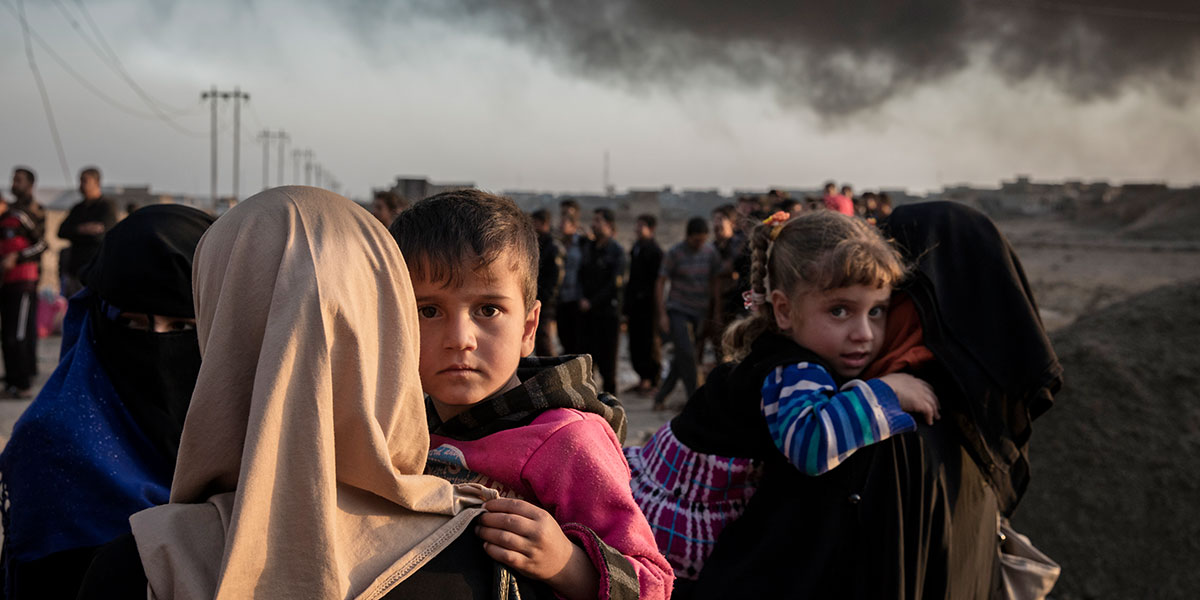
The brutal conflict that occurred within Iraq came at an immense price. While the situation in Iraq is much better than it was before, the UN Refugee Agency states that the ongoing conflict resulted in 3 million people fleeing the country and 1.8 million people being internally displaced. With a newly unified Iraqi people and the defeat of ISIS, we can hope that the Iraqi people can find their roots once again. The wars in the surrounding countries have also pushed refugees into Iraq. The UN Refugee Agency states that there are 300,000 refugees, mostly Syrians, who have fled to Iraq escaping conflict from within their own countries. When it comes to the movement in and out of the country in Iran, it has much less to do with war and more so to do with the economy. Iran’s economy is struggling to gain foot from both internal and external factors. Internally the country is wrought with corruption, where the state backed enterprises have monopolies on most government contracts while the private sector struggles. According to an article in The Economist, state bonyads (trusts) have consolidated much of the country’s wealth beneath them with a single one controlling 13 billion dollars in assets (The Pain of No Deal). This is coupled with the sanctions imparted by the United States that essentially cuts out Iran from participating in the global economy. Couple this with the political situation discussed earlier it is no wonder that Iran has an extremely high level of emigration. According to Mary Jane Maxwell, one in four higher educated Iranians leave the country when given a chance and an upwards of 5 million have left the country since the Islamic Revolution (Iran’s Brain Drain). While both Iran and Iraq’s economies focus on the exports of natural resources such as oil and natural gases, both are facing problems of their own. Iraq was unable to bolster its economy during its conflict with ISIS and Iran is barred from the global economy. For Iran this means back door deals with its allies that do not involve international banking codes, more of an actual trade of goods per say.
Works Cited
“Iraqi Refugee Crisis: Support Iraq Emergency Relief | USA for UNHCR.” Iraqi Refugee Crisis: Support Iraq Emergency Relief | USA for UNHCR, http://www.unrefugees.org/emergencies/iraq/.
Maxwell, Mary Jane. “Iran’s 40-Year ‘Brain Drain’.” ShareAmerica, 1 Mar. 2019, share.america.gov/irans-40-year-brain-drain/.
 Human Geography: The Five Themes of Geography